Physiotherapy

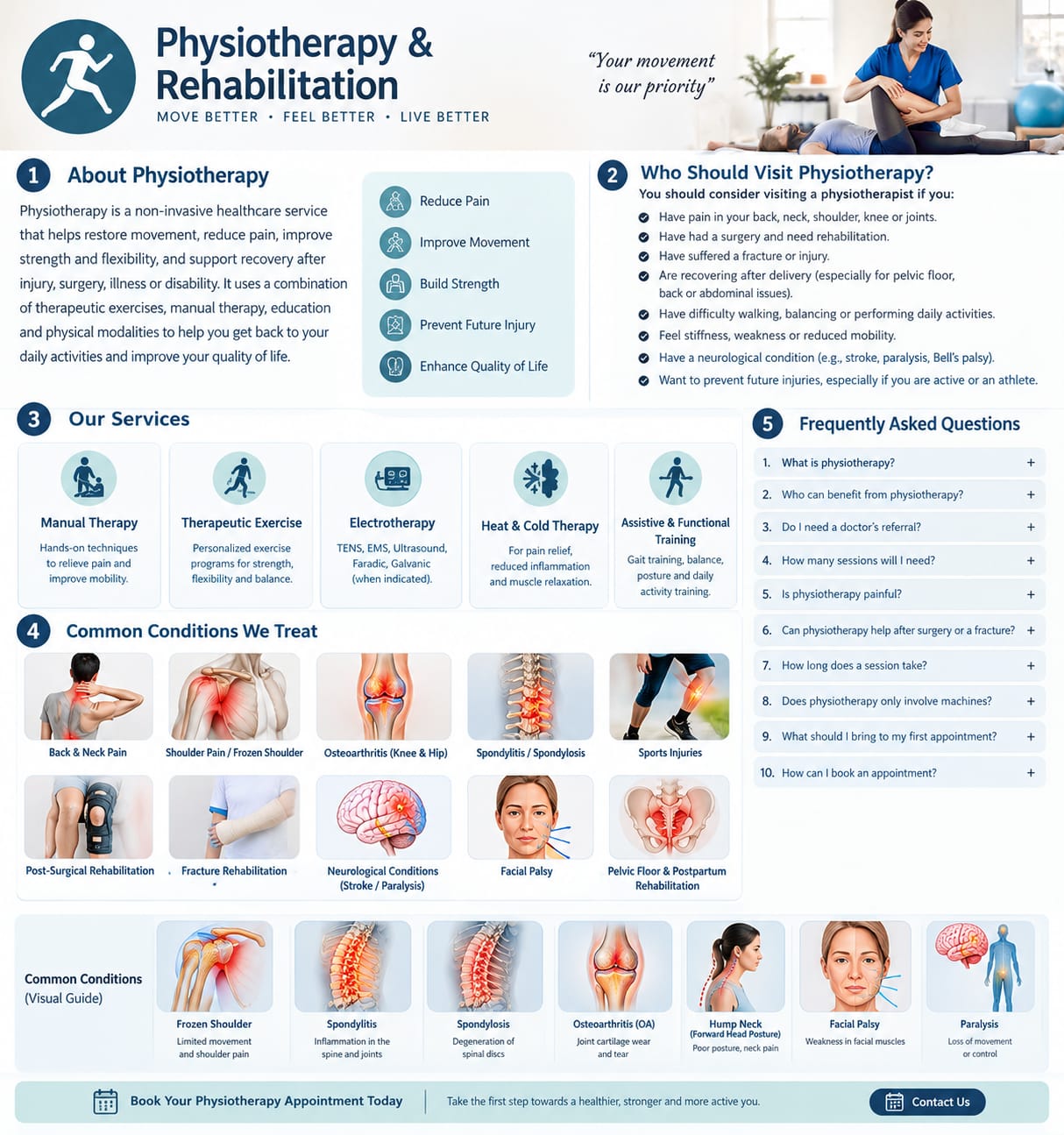
Physiotherapy & Rehabilitation infographic poster at Munir Hafeez Medical Center Gujranwala

Physiotherapy

Physiotherapist in Gujranwala

What Is Physiotherapy?

Physiotherapy is a healthcare profession that helps people reduce pain, improve movement, restore physical function, and regain independence in daily activities.

It involves a comprehensive physical assessment followed by an individualized treatment plan that may include therapeutic exercises, manual therapy, mobility training, posture correction, balance training, patient education, and appropriate electrotherapy modalities.

Physiotherapy can support recovery after injuries, fractures, surgeries, neurological conditions, and other health problems that affect movement and physical function.

Our Goal: To help patients move better, manage pain, recover safely, and improve their overall quality of life.

Personalized treatment plans for every patient.

Effective pain relief and restored mobility.

Safe rehabilitation after injury and surgery.

When Should You Visit a Physiotherapist?

You may benefit from physiotherapy if you experience:

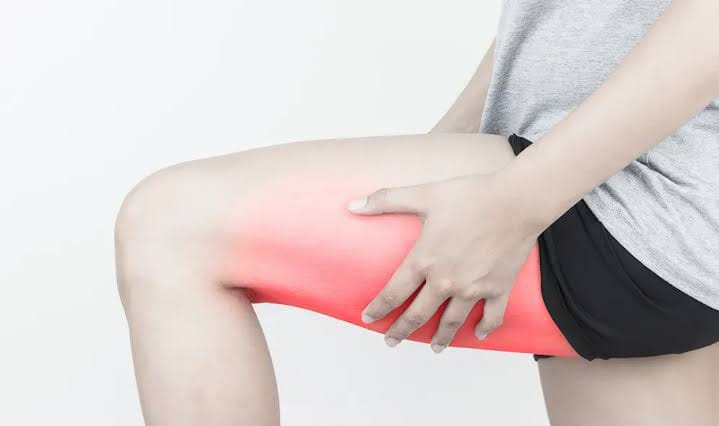
  • Persistent neck pain, back pain, shoulder pain, or knee pain.
  • Joint stiffness or difficulty moving your shoulder, neck, back, hip, or knee.
  • Muscle weakness, reduced flexibility, or difficulty performing daily activities.
  • Recovery needs after a fracture, cast removal, or orthopedic surgery.
  • Rehabilitation after knee replacement, hip replacement, or ligament surgery.
  • Difficulty walking, maintaining balance, or performing everyday movements after a stroke or neurological illness.
  • Facial weakness or facial movement difficulties associated with Bell’s palsy.
  • Postural problems, rounded shoulders, or forward head posture.
  • Reduced strength and mobility after prolonged bed rest or hospitalization.
  • Pregnancy-related or postpartum musculoskeletal problems, when appropriate specialist assessment and care are available.

Important: Sudden facial drooping, sudden weakness of an arm or leg, difficulty speaking, or sudden loss of balance may indicate a stroke. Seek emergency medical care immediately rather than waiting for a physiotherapy appointment.

Our Services

1. Manual Therapy
Hands-on treatment techniques to help improve joint mobility, reduce stiffness, and support movement in selected musculoskeletal conditions.

2. Therapeutic Exercise
Individualized exercises to improve muscle strength, flexibility, endurance, coordination, and joint range of motion.

3. Electrotherapy & Pain Management
Appropriate use of TENS, electrical muscle stimulation, and other available modalities to support pain management and rehabilitation.

4. Post-Fracture Rehabilitation
Rehabilitation following fracture healing, cast removal, or orthopedic clearance to restore movement, strength, and functional use of the affected limb.

5. Post-Surgical Rehabilitation
Individualized rehabilitation following procedures such as knee replacement, hip replacement, ligament reconstruction, and selected spinal or orthopedic surgeries, according to surgical precautions.

6. Posture Correction & Ergonomic Advice
Assessment and management of movement habits, forward head posture, rounded shoulders, and other postural problems.

7. Neurological Rehabilitation
Movement, balance, strength, and functional training for suitable patients following stroke and other neurological conditions.

8. Mobility & Balance Training
Exercises and functional activities to improve walking, transfers, stability, and independence in daily activities.

9. Women’s Health Rehabilitation
Where specialist services are available, rehabilitation for pregnancy-related musculoskeletal discomfort, postpartum recovery, pelvic floor dysfunction, and abdominal muscle separation.

10. Patient Education & Home Exercise Programs
Guidance on safe movement, activity modification, home exercises, and self-management strategies to support recovery and prevent recurrence.

Common Conditions We Treat

Our Physical Therapy & Rehabilitation Department provides assessment and rehabilitation for a wide range of conditions affecting movement, mobility, and daily activities.

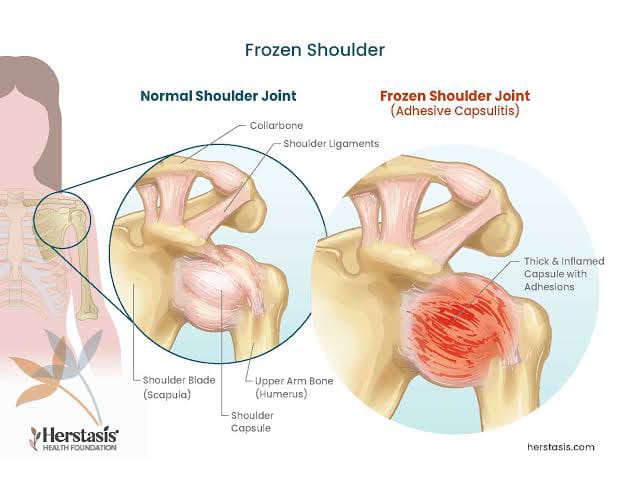
1. Frozen Shoulder (Adhesive Capsulitis)
Shoulder pain, stiffness, and difficulty raising or moving the arm.

2. Cervical Spondylosis & Neck Pain
Neck pain, stiffness, restricted movement, and associated nerve symptoms.

3. Back Pain & Lumbar Spondylosis
Lower back pain, stiffness, and difficulty with bending, sitting, or daily activities.

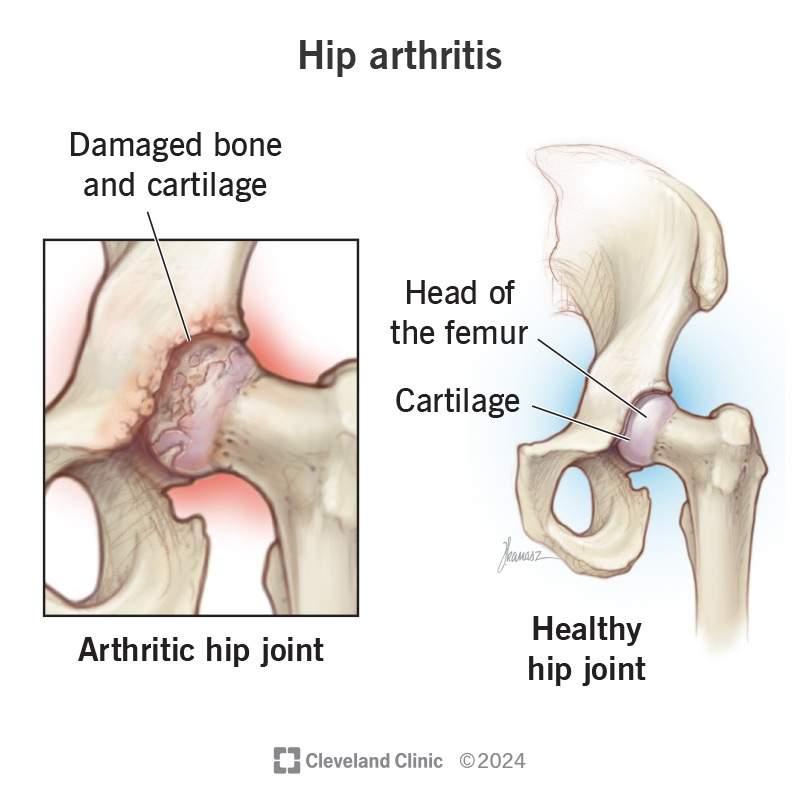
4. Osteoarthritis (OA)
Joint pain, stiffness, and reduced mobility, particularly in the knees and hips.

5. Forward Head Posture & Neck Hump
Postural changes, rounded shoulders, forward head posture, and upper-back discomfort.

6. Bell’s Palsy (Facial Palsy)
Facial muscle weakness and asymmetry requiring appropriate medical assessment and individualized facial rehabilitation.

7. Paralysis & Post-Stroke Rehabilitation
Rehabilitation to improve strength, balance, walking, coordination, and functional independence.

8. Disc Problems & Sciatica
Back pain radiating into the buttock or leg, sometimes accompanied by tingling, numbness, or nerve-related symptoms.

9. Fracture Rehabilitation & Post-Surgical Stiffness
Joint stiffness, muscle weakness, and movement limitations following fracture healing, cast removal, or surgery.

10. Pregnancy-Related & Postpartum Musculoskeletal Pain
Back pain, pelvic discomfort, abdominal muscle separation, and pelvic floor problems, where appropriate specialist services are available.

Our Approach: Every patient receives an individualized assessment and rehabilitation plan based on their condition, clinical findings, functional goals, and recovery progress.

Note: Treatment suitability depends on clinical assessment. Sudden facial weakness or sudden weakness of an arm or leg requires emergency medical evaluation.

Meet Your Physiotherapist

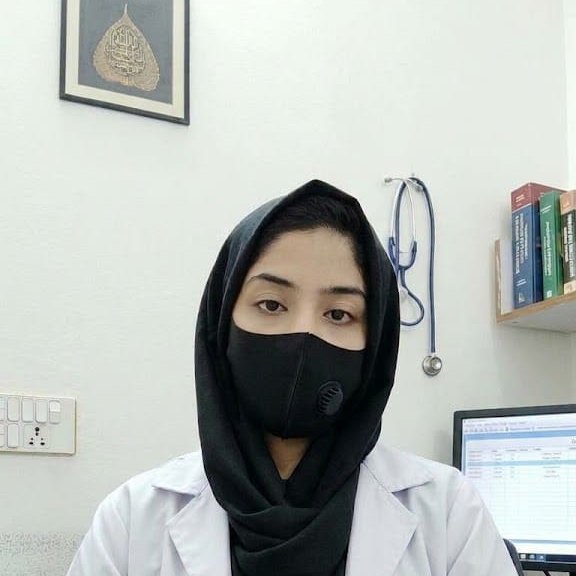
Dr. Pakeeza Noor, Physiotherapist at Munir Hafeez Medical Center Gujranwala

Dr. Pakeeza Noor

Physiotherapist (DPT)

FAQ

Frequently Asked Questions

Physiotherapy helps reduce pain, improve movement, restore strength, and support recovery after injury, illness, surgery, or disability.

Yes. Physiotherapy may be recommended after a fracture, depending on bone healing, the type of fracture, and the treating doctor’s instructions.

Rehabilitation is often an important part of recovery after joint replacement, ligament surgery, and other orthopedic procedures. The treatment plan must follow the surgeon’s precautions.

Yes. An individualized rehabilitation program may help manage pain and gradually improve shoulder mobility. Exercises should match the stage and severity of the condition.

Physiotherapy may help improve movement, strength, and function in suitable patients with back pain and cervical spondylosis. Symptoms suggesting nerve involvement require appropriate assessment.

Yes. Neurological rehabilitation may help improve balance, strength, walking, and functional independence. Treatment should be coordinated with the patient’s medical team.

Yes. After an appropriate assessment, physiotherapy may help with postpartum back or pelvic pain, abdominal muscle separation, and pelvic floor problems where suitable services are available.

The number of sessions depends on your condition, severity, recovery progress, and individual goals. Your physiotherapist will discuss a suitable treatment plan after assessment.

Not always. Treatment may include therapeutic exercises, manual therapy, movement training, education, and selected physical modalities when clinically indicated.

You can contact the hospital reception or use the online appointment form to arrange an assessment with the Physical Therapy & Rehabilitation Department.

Make An Appointment

Fill out this field
Please enter a valid email address.
Fill out this field
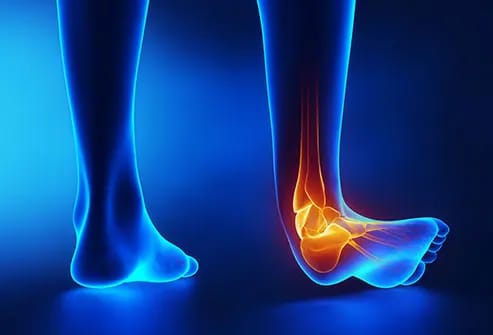
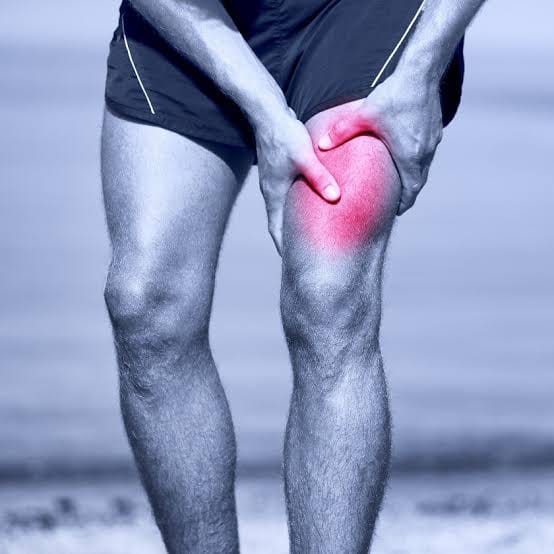
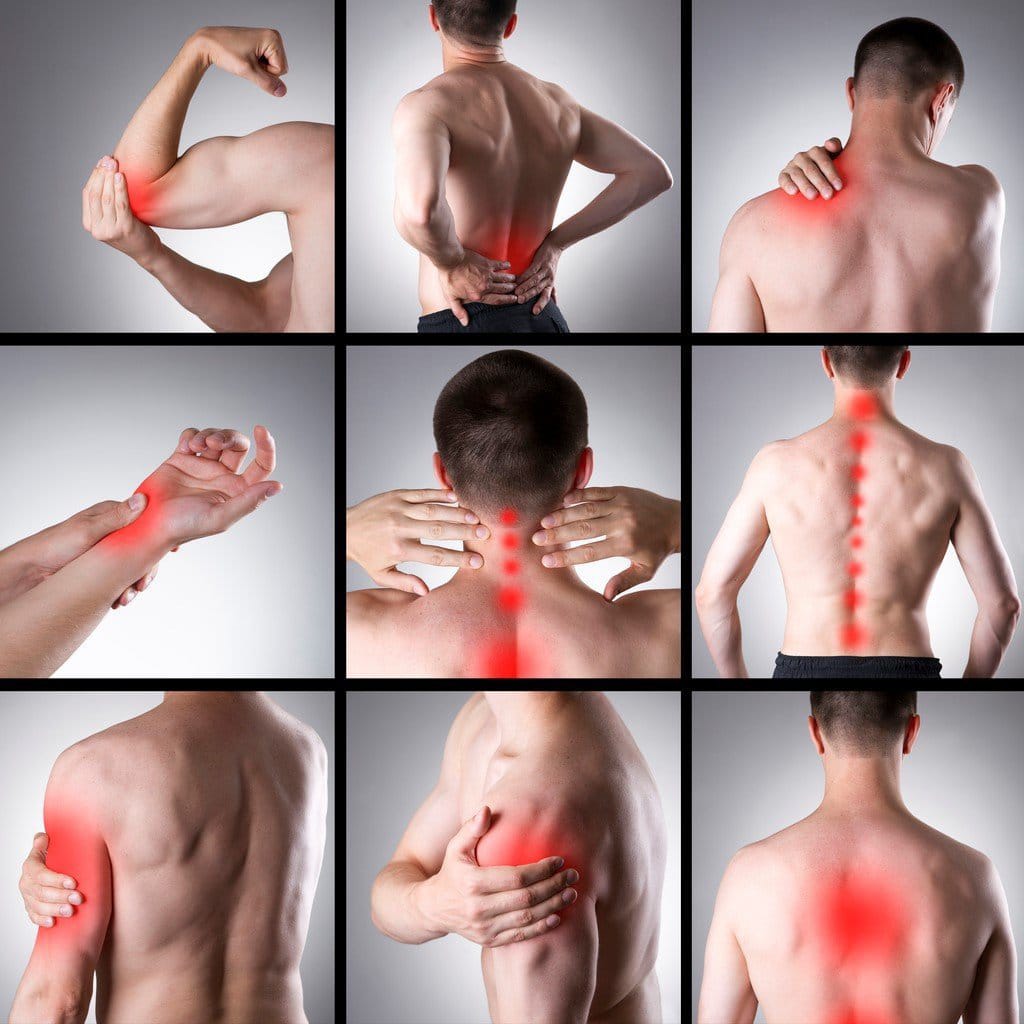
Body pain points collage for physiotherapy at Munir Hafeez Medical Center Gujranwala